


Play Therapy in California
GUIDING CHILDREN TOWARD CONFIDENCE, CONNECTION, AND EMOTIONAL RESILIENCE
Does this sound like you?
⟡ Your child has big emotions but struggles to express them in words.
⟡ You’ve noticed changes in your child’s behavior, like acting out or withdrawing.
⟡ Your child seems anxious, overwhelmed, or easily frustrated.
⟡ Transitions like school changes, divorce, or loss have been hard on your child.
⟡ You feel unsure how to best support your child through emotional challenges.
⟡ Your child has difficulty with confidence, social skills, or managing feelings.

You deserve support as you navigate the challenges of caring for a child who is struggling — it can be heartbreaking to watch your child feel overwhelmed, act out, or shut down and not know how to help.
Many parents feel confused, worried, or even helpless when their child can’t fully express what they’re going through. You don’t have to figure this out on your own. Play therapy offers a safe and developmentally appropriate way for children to process their emotions, build coping skills, and feel understood. Imagine waking up and seeing your child feel more confident, calm, and able to express their needs. Picture fewer emotional outbursts, smoother transitions, and a stronger, more connected relationship with your child. With the right support, your child can grow, heal, and thrive—and you can feel more at ease as a parent.
PLAY THERAPY IN CALIFORNIA

Our Approach:
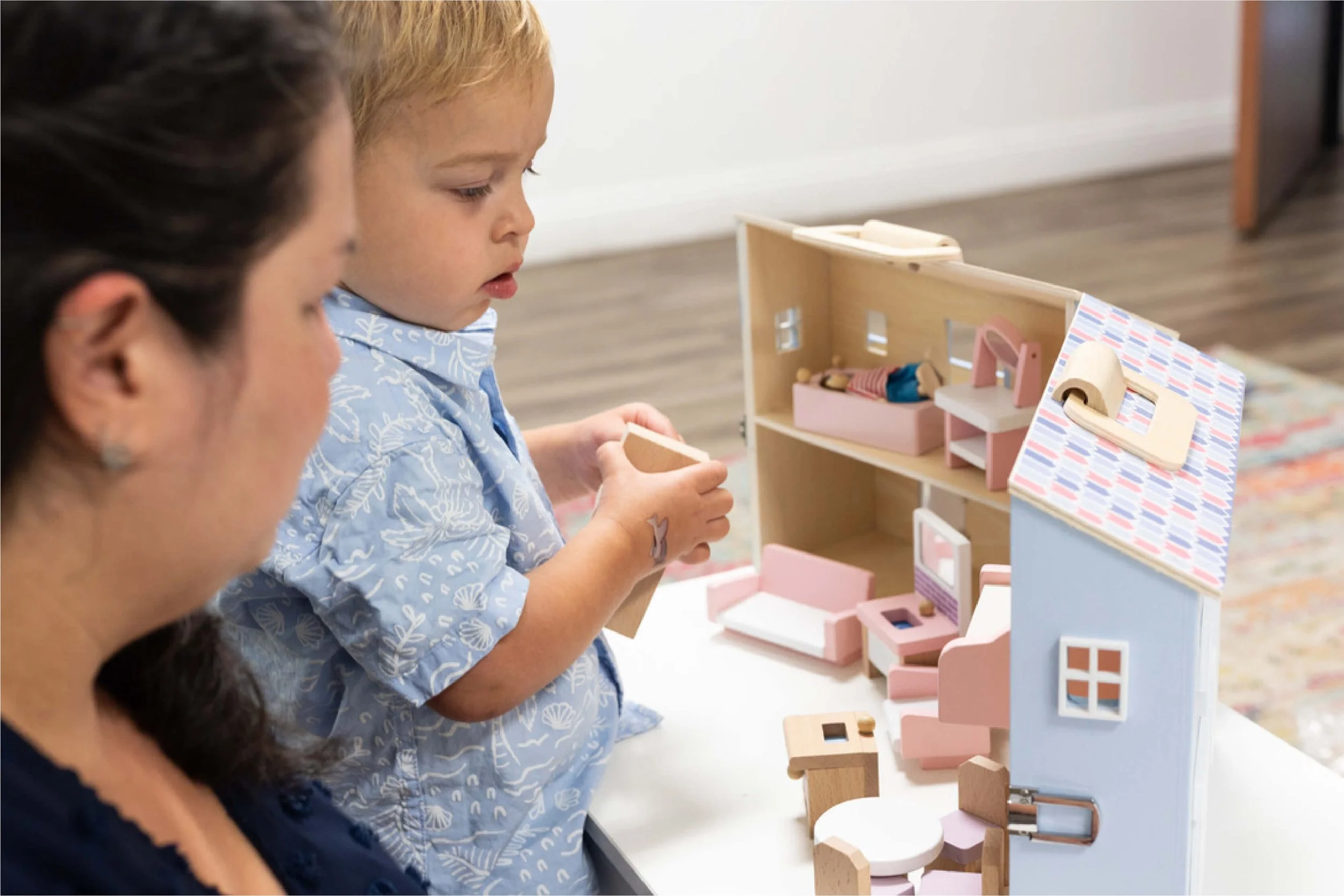
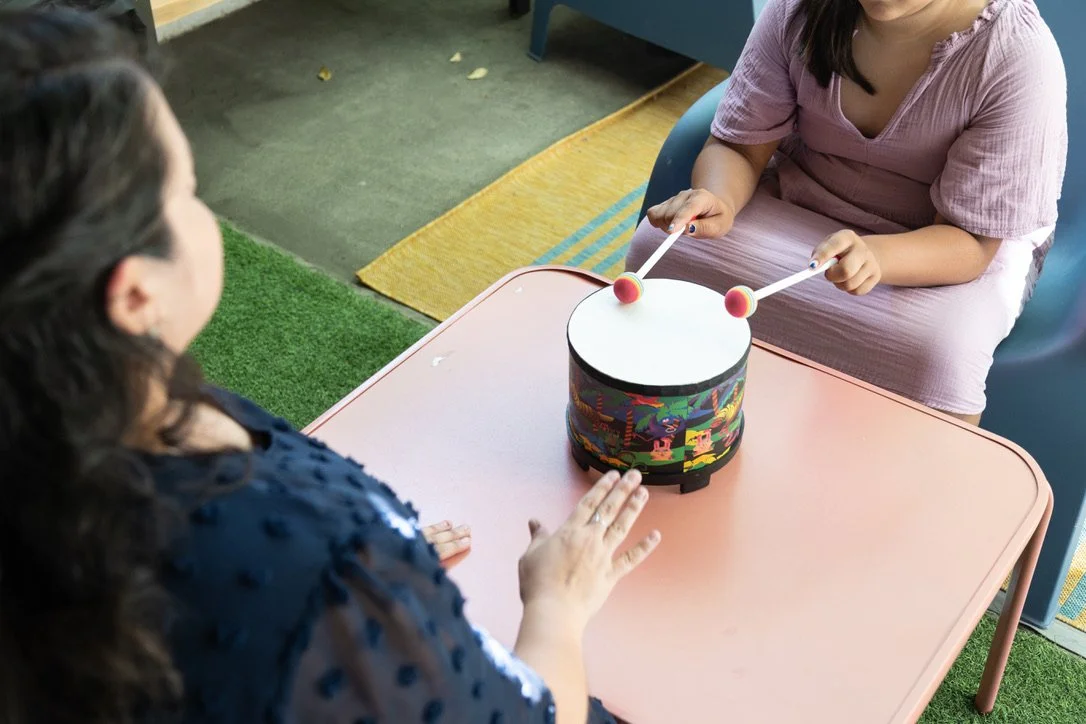
Our approach to play therapy is warm, child-centered, and grounded in evidence-based practices that meet children where they are developmentally. Because children often communicate through play rather than words, we use toys, creative activities, and imaginative expression to help them process emotions, experiences, and challenges in a safe and supportive environment. We focus on building a strong, trusting relationship so your child feels comfortable exploring their feelings at their own pace. Along the way, we help children develop emotional regulation, problem-solving skills, and confidence. We also collaborate closely with parents, providing guidance and tools to support your child’s growth and strengthen your connection at home.
How it Works:
Play therapy begins with an initial session with parents or caregivers to understand your child’s needs, challenges, and developmental history. From there, we create a personalized plan tailored to support your child’s emotional growth. Sessions with your child involve guided play in a safe, supportive environment where they can express themselves naturally and work through difficult feelings. Over time, we help your child build coping skills, improve emotional regulation, and gain confidence. We also provide regular parent check-ins to share progress, offer guidance, and give you practical tools to support your child outside of sessions.
PLAY THERAPY FAQs
-
Play therapy is a developmentally appropriate form of therapy that helps children express their thoughts and emotions through play, rather than relying solely on words.
-
Yes—play therapy can be adapted for virtual sessions using interactive activities, games, and creative tools that engage your child in a meaningful way. While in-person sessions are often ideal for younger children, virtual play therapy can still be effective, especially for older children or when in-person care isn’t accessible. We also guide parents on how to support the process at home to help create a safe and engaging environment for your child.
-
Play therapy is typically used for children ages 3–12, though approaches can be adapted depending on a child’s developmental level.
-
Play therapy can support children with anxiety, behavioral challenges, emotional regulation, trauma, life transitions, social difficulties, and more.
-
Sessions involve structured and unstructured play using toys, games, and creative activities that help children express and process their emotions in a safe space.
-
Yes—parents play an important role, and we provide regular updates, guidance, and strategies to support your child’s progress at home.
-
The length of therapy varies based on your child’s needs, but many children begin to show improvement within several sessions.
-
You may notice changes such as improved behavior, better emotional expression, increased confidence, and stronger relationships over time.